

Table of contents
- The Hidden Toll: Why Night Shift Is a Long-Term Health Risk
- Cardiovascular Disease: One of the Most Serious Risks
- Metabolic Dysfunction and Weight Gain: The Invisible Struggle
- Hormonal Imbalance and Reproductive Health
- Mental Health: The Psychological Cost of Misaligned Life Rhythms
- Prevention Strategies That Actually Work
The Hidden Toll: Why Night Shift Is a Long-Term Health Risk

Night shift work isn’t just about staying awake at odd hours—it deeply disrupts the body’s natural rhythm. Your circadian system is designed for wakefulness during the day and rest at night. Fighting this cycle repeatedly wears down your health, even if you feel fine in the short term.
Research links long-term night work to higher risks of heart disease, obesity, type 2 diabetes, depression, and even certain cancers. One major study found that rotating night shift nurses faced an elevated risk of cardiovascular disease and breast cancer, especially with extended years on the job.
This is due in part to hormonal disruption. Melatonin, your body’s natural antioxidant and cancer-fighting hormone, is suppressed by artificial light during night shifts. Cortisol—the stress hormone—rises at the wrong time, interfering with recovery and immune function. Over time, these imbalances lead to chronic inflammation and serious disease.
Sleep deprivation is another driver. Consistently poor sleep weakens the immune system, impairs glucose metabolism, and accelerates aging. Night nurses often sleep less than six hours per day. That’s not enough to fully recover from physical or mental strain.
None of this means night work must destroy your health. But you must be proactive. These risks are preventable—with the right systems in place.
The solution begins with knowledge and action. You can’t afford to let shift work passively shape your body and mind. You have to take the lead.
Learn more about the science of circadian health at the National Sleep Foundation.
Cardiovascular Disease: One of the Most Serious Risks
Working night shifts significantly raises your risk of cardiovascular disease. Studies have shown that nurses who work long-term rotating shifts are more likely to develop hypertension, irregular heart rhythms, and even heart attacks.
The root cause is circadian disruption. At night, blood pressure naturally lowers to help the heart rest. But when you’re awake and active, this rest period is delayed or skipped entirely. As a result, your heart doesn’t get the break it needs.
Sleep deprivation also plays a role. Poor sleep increases sympathetic nervous system activity, which raises heart rate and blood pressure. Over time, this persistent strain damages the vascular system. Add in night shift stress, and the risk compounds.
Diet and movement also suffer on night shifts. Many nurses eat processed or fast food during long nights. Physical activity drops due to fatigue. Combined, these behaviors lead to higher cholesterol, increased belly fat, and insulin resistance—each a risk factor for heart disease.
Prevention starts with protecting your sleep. Aim for 7–9 hours in a dark, cool room every day. Even split naps can help. Track your blood pressure regularly, and talk to your doctor about any concerns. Choose whole foods and stay hydrated during shifts.
Stay physically active. Even 15 minutes of movement post-shift can help regulate blood pressure and improve circulation. Simple stretching routines or walking help immensely.
Your heart works hard. Night shifts make it work even harder. Give it the support it deserves.
Metabolic Dysfunction and Weight Gain: The Invisible Struggle
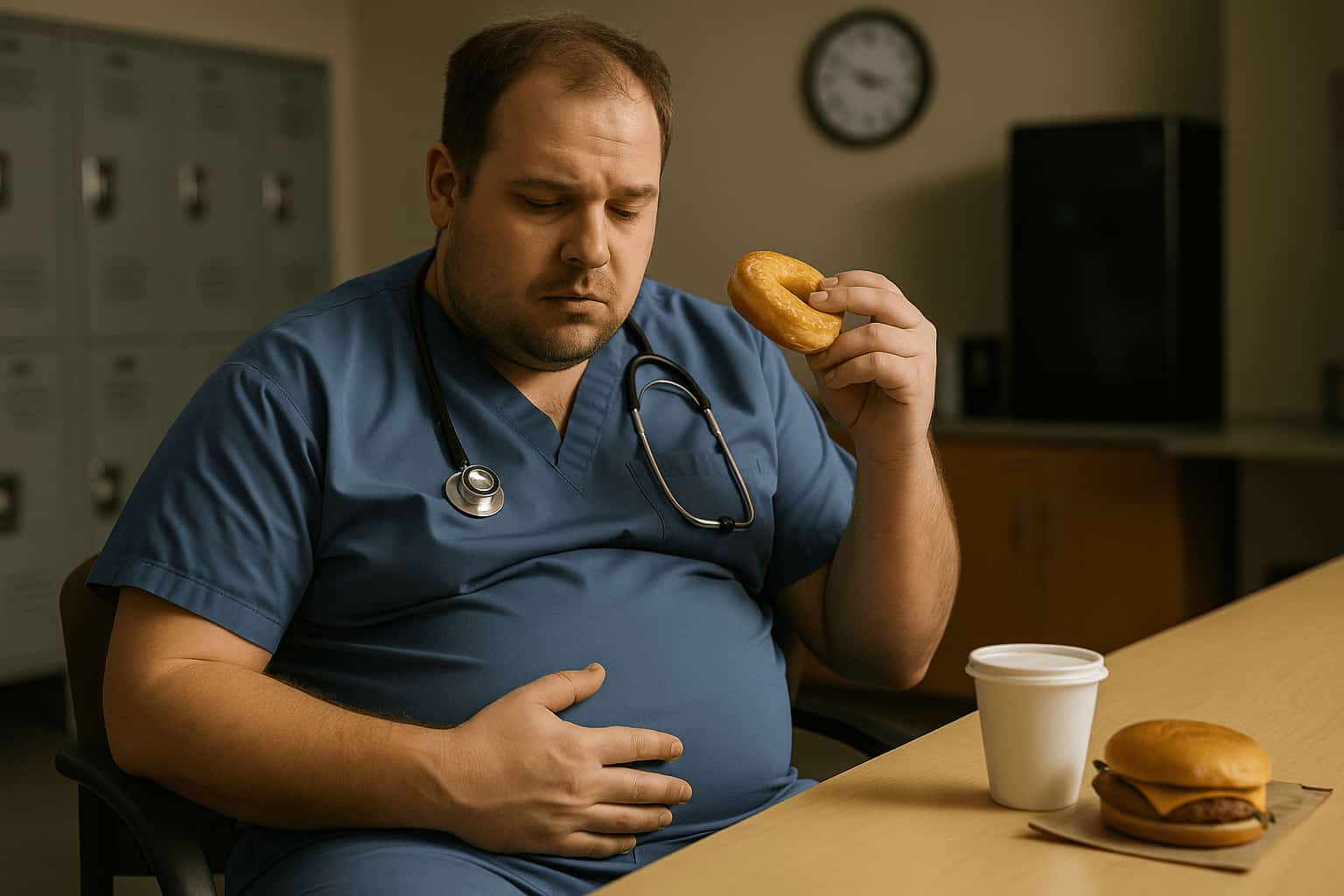
Night shift work often leads to rapid weight gain, insulin resistance, and metabolic syndrome. This isn’t just about poor willpower—it’s about biological misalignment. Your body is designed to digest food, regulate hormones, and process insulin during the day.
At night, these functions slow. When you eat late or graze throughout the shift, glucose is more likely to be stored as fat. Over time, this leads to increased belly fat, sluggish metabolism, and poor blood sugar control. You may feel like you’re doing everything right—but your body is fighting the clock.
Leptin, the hormone that regulates hunger, is also disrupted by night work. You might feel hungry even after eating. Ghrelin, which stimulates appetite, rises when sleep is short. This one-two punch makes overeating common among night shift nurses.
Many also rely on caffeine and sugar to stay awake. These quick fixes create energy crashes and increase cravings. Late-night meals are often high in fat and carbs, compounding the problem.
Preventing this requires intentional meal timing. Eat a larger meal before your shift starts. Snack lightly during the night. Prioritize protein, fiber, and healthy fats. Drink water consistently to avoid mistaking thirst for hunger.
When off-duty, return to a daytime eating schedule as much as possible. This helps reset your metabolism. Try intermittent fasting or time-restricted eating only if your sleep is stable and recovery is adequate.
This isn’t about dieting—it’s about hormone alignment. Help your metabolism help you.
Hormonal Imbalance and Reproductive Health
Night shift work disrupts hormone cycles across the board, affecting everything from fertility to mood to menstrual regularity. The impact goes beyond missed periods or mood swings—it can alter your reproductive future.
Melatonin production drops with night exposure to artificial light. This affects your entire endocrine system. Melatonin plays a key role in ovarian function and hormone regulation. Women working long-term night shifts often experience irregular cycles, PMS symptoms, and even reduced fertility.
Estrogen and progesterone are also impacted by circadian misalignment. Some studies suggest a link between night shift work and increased risk for hormone-sensitive cancers like breast cancer. This is due in part to reduced melatonin, increased inflammation, and disrupted cellular repair.
Cortisol levels also rise on night shifts. Chronically elevated cortisol leads to anxiety, poor sleep, and even thyroid issues. It blunts progesterone, reduces libido, and increases fatigue.
To counteract this, manage your light exposure aggressively. Use bright light therapy early in your shift and dim lighting during breaks and post-shift. Avoid screens after work. Try melatonin supplements—start with 0.3 to 1 mg before bed, but consult your provider first.
Balance your diet with hormone-supporting foods like leafy greens, omega-3 fats, flaxseeds, and fermented foods. Get regular blood work if you notice cycle irregularities or ongoing fatigue.
Your hormones are messengers. Night shifts confuse their signals. With the right care, you can restore balance—and protect your long-term vitality.
Mental Health: The Psychological Cost of Misaligned Life Rhythms

Mental health issues are one of the most under-discussed consequences of night shift work. Depression, anxiety, brain fog, and emotional exhaustion are common—and not because you’re weak. They’re part of the biological cost of living out of sync.
Light exposure is one of the strongest regulators of mood. Lack of sunlight during waking hours lowers serotonin levels. This chemical affects everything from mood to motivation. When serotonin dips, depression often follows.
Sleep fragmentation also hurts mental health. Without deep, restorative rest, your brain struggles to regulate emotions, memory, and stress responses. Small challenges feel overwhelming. Empathy feels harder to access. Burnout sets in faster.
Social isolation deepens the effect. Night nurses often miss holidays, birthdays, and important life events. This lack of connection impacts your sense of identity and belonging. Loneliness magnifies stress.
Don’t normalize this. Your mental health matters as much as your physical health. Protect it with structure. Create a sleep-wake routine and stick to it—even on off days. Schedule time with friends and family. Even small connections reduce anxiety and boost resilience.
Seek sunlight whenever possible. A short walk during the day, even on little sleep, improves mood. Supplement with vitamin D if needed. Consider therapy. Many therapists now specialize in shift worker mental health.
Your mind is your most powerful tool on the job. Take care of it like you would an expensive medical device.
Prevention Strategies That Actually Work
Prevention is possible—but it requires planning, intention, and consistency. Many of the long-term effects of night shift work are preventable when you design your lifestyle to support your body’s biology.
Start with sleep. Make it sacred. Blackout curtains, a consistent schedule, and technology boundaries protect your circadian rhythm. Naps before shifts and wind-down routines after work improve sleep quality and duration.
Plan your nutrition. Eat your main meal before your shift begins. Pack high-fiber, high-protein snacks to avoid processed foods. Stay hydrated and limit caffeine in the second half of your shift.
Exercise strategically. Avoid high-intensity workouts right before bed. Instead, choose light stretching, walking, or gentle yoga after shifts. Save harder workouts for your days off or after waking from daytime sleep.
Protect your light exposure. Use bright light therapy early in the shift. Wear blue light–blocking glasses before bed. Limit phone and screen use after work to support melatonin production.
Get regular health screenings. Track blood pressure, glucose levels, and hormone health. Don’t wait for symptoms. Preventative care gives you time to adjust before issues become chronic.
Lean into connection. Build a support network of coworkers, family, and friends. Talk about your challenges. Community builds resilience.
Finally, advocate for safer schedules. Rotating shifts, mandatory overtime, and back-to-back nights hurt everyone. Sustainable change starts when nurses speak up.
Night shift nursing is hard—but it doesn’t have to destroy your health. A long, fulfilling career is possible. The key is living in rhythm with what your body needs most.
You Might Also Like

